An evening round a fire is half the reason people camp. It is also the single easiest way to damage a site, injure someone or start something far worse, which is why almost every campsite in the country has rules about it. Ours are simple, and worth understanding rather than just obeying.
The rules here
Fire pits are welcome, provided they are raised off the ground and mesh covered. The same goes for barbecues: raised off the ground, and coals and ashes left to cool completely before they go in the skip.
Raised matters because a fire sitting directly on grass kills the turf beneath it and scorches the soil, and on a dry field the heat can travel further than you would think. Mesh matters because that is what stops sparks landing on the next tent along. Nylon takes a spark extraordinarily well.
Choosing a spot
Well away from your tent and your neighbour’s, and downwind of both. Guy lines are easy to forget in the dark and easy to trip over carrying something hot. Clear anything flammable from around the base, and never site a fire under a tree: the heat rises into low branches and dry leaf litter catches easily.
Fuel
Dry hardwood, bought locally. Wood carried from home is usually damp, burns badly and produces far more smoke, which your neighbours will notice long before you do. Never burn treated or painted timber, pallets with nails, or anything plastic.
Do not use petrol, lighter fluid or meths to get things going. Firelighters and patience do the job without the drama.
While it is lit
- Keep water within reach. A full bucket beside the pit, not back at the tap
- Never leave it unattended, even for a couple of minutes
- Children sitting, not running, and an adult watching
- Keep it small. A modest fire throws out plenty of heat and far fewer sparks
- Let it burn down rather than piling on more wood late in the evening
Putting it out
Douse it properly with water and stir the ashes through until there is no heat left. Embers can stay hot for many hours under a crust of grey ash, which is how skip fires start. If the pit is still too warm to put a hand near, it is too warm to empty.
Quiet time on the park is 10.30pm, which is a sensible moment to let a fire burn down anyway.
Out on the hills
Different rules entirely: no fires, no disposable barbecues, ever. Peak District moorland burns readily in dry spells and moorland fires do damage that takes decades to recover. Take a stove if you need hot food, and take it home with you.
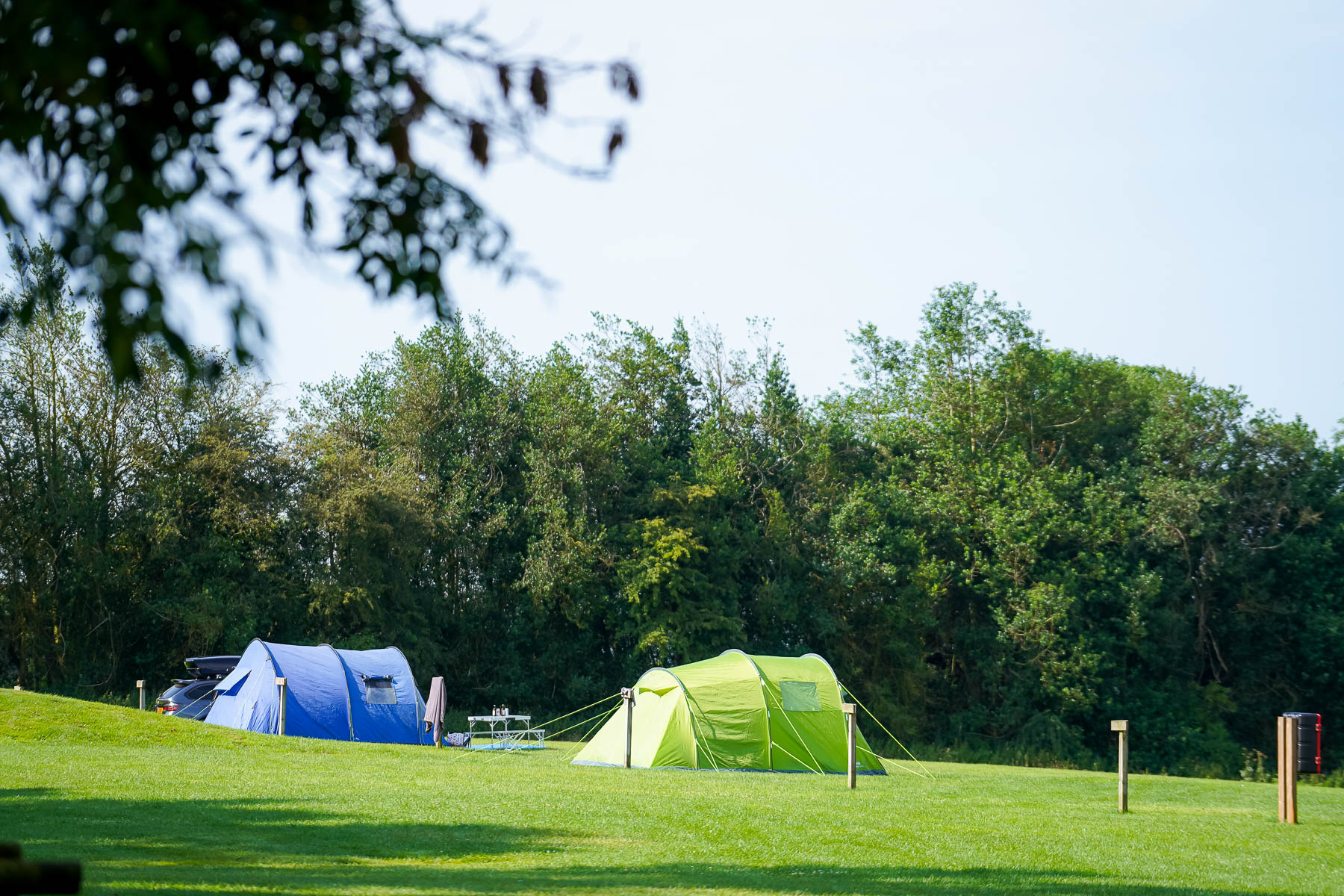
If you want an evening fire without the washing up, the Callow Inn is on site. Our camping pitches have plenty of room to set a fire pit well clear of the tent.