Search for wild camping in the Peak District and you will find plenty of photographs of tents on gritstone edges at sunrise. What you will find rather less of is a clear answer on whether any of it is allowed. Here is the honest version.
The legal position in England
There is no general right to wild camp in England. Land in the Peak District has an owner, whether that is a farmer, a water company, the National Trust or a private estate, and pitching a tent without asking is trespass. The open access rights created by the Countryside and Rights of Way Act let you walk across much of the moorland. They do not let you sleep on it.
This catches people out because the Peak District looks wild. Most of it is working land: grazed, shot over, managed for water catchment or actively farmed. The moors that feel most remote are often the most carefully managed of all, and in a dry spring they carry a serious fire risk.
What responsible campers actually do
The people who do camp out on the hills and are welcome to keep doing it follow a fairly strict code. They ask the landowner first. They arrive late, leave early and pitch one small tent out of sight of paths and houses. They never light a fire. They carry out everything, including food waste and paper. If they are asked to move on, they move on without argument.
If that sounds like hard work for one night’s sleep, that is rather the point. Wild camping done properly is a committed, low-comfort activity. It is not a cheap alternative to a campsite.
The middle ground
Most people who like the idea of wild camping actually want two things: to wake up somewhere beautiful, and to feel a long way from a car park. You can have both without the uncertainty.
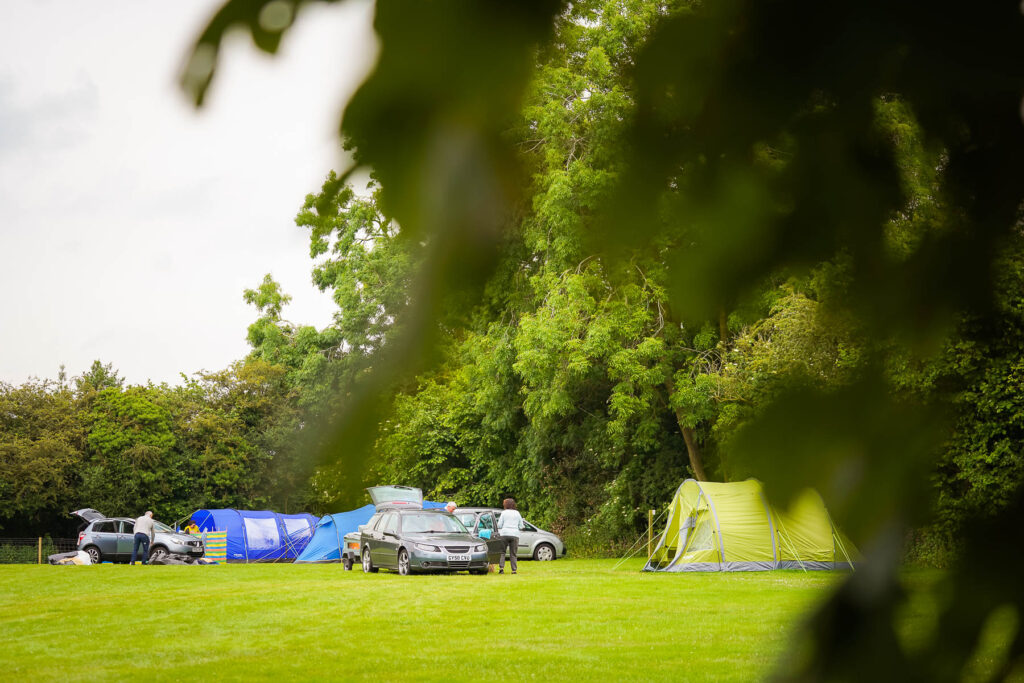
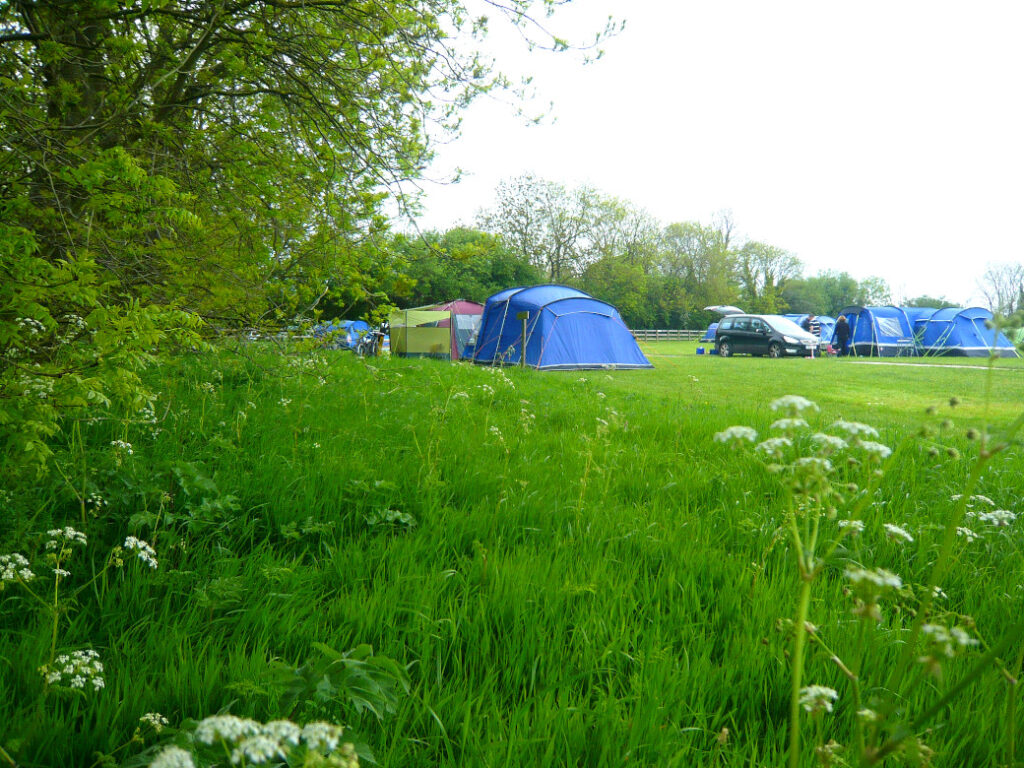
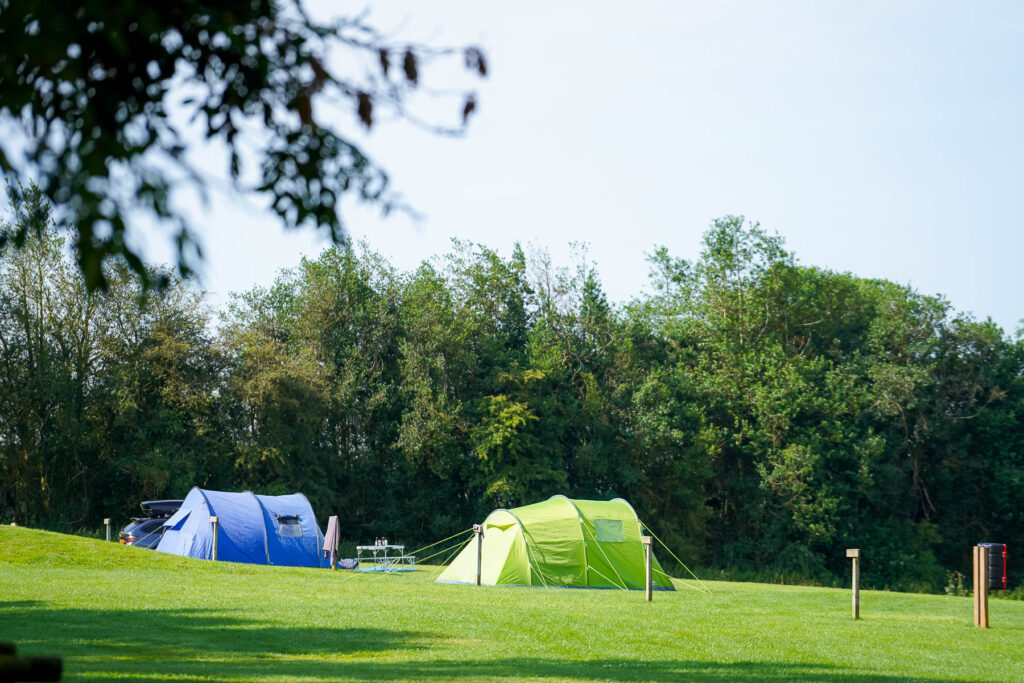
A spacious pitch on a quiet site gets you most of the way there. Our grass pitches run to roughly 18m x 9m, which is a great deal more room than the average site gives you, and the
camping fields look out over open Derbyshire countryside. We keep on-site lighting to a minimum and quiet time starts at 10.30pm, so the nights are genuinely dark and genuinely quiet.
The difference is that there is drinking water, a shower in the morning, somewhere to put your rubbish, and nobody is going to ask you to pack up at dawn.
Getting the wild bit anyway
The trick is to use the site as a base and walk out from it. Footpaths lead straight off the park, and the Tissington Trail is 500 yards away. Dovedale is about a two hour walk, and if you set off early you will have the stepping stones largely to yourself before the day visitors arrive. The Manifold Valley beyond it is quieter again.
The Countryside Code, briefly
- Leave gates as you find them and stick to paths across farmland
- Keep dogs under control, and on a lead around livestock and during ground nesting season
- Take every scrap of litter home, including fruit peel and tissue
- No fires on open land at any time of year
- Park considerately. Blocked farm gateways cause real problems
None of this is complicated. It is mostly about leaving a place in the state you would like to find it in. If you want a base for exploring on foot, take a look at our camping pitches or
check availability for your dates.